
Preparing Ground for Safe Construction
Professional building site preparation services for residential and commercial projects in Tyler, Texas.
Your construction project in Tyler depends on ground that drains properly, supports weight evenly, and meets engineering specifications before the first foundation is poured. Site preparation addresses unstable soil, standing water, dense vegetation, and uneven grades that would otherwise cause settling, cracking, or drainage failure once your building is complete. You need the subsurface conditions verified and corrected while access is still open and equipment can move freely across the property.
TNT LandWorx performs surveying and planning to establish elevations and property boundaries, clearing and grubbing to remove trees and root masses, excavation and structural fill to reach load-bearing strata, grading and drainage work to direct water away from the building footprint, and erosion control measures that keep soil in place during and after construction. Each step removes a specific obstacle or creates a condition the next phase of construction requires. In Tyler, clay-heavy soils often need compaction testing and moisture management to prevent shifting after the structure is built.
Reach out to discuss your project timeline and site conditions in Tyler.
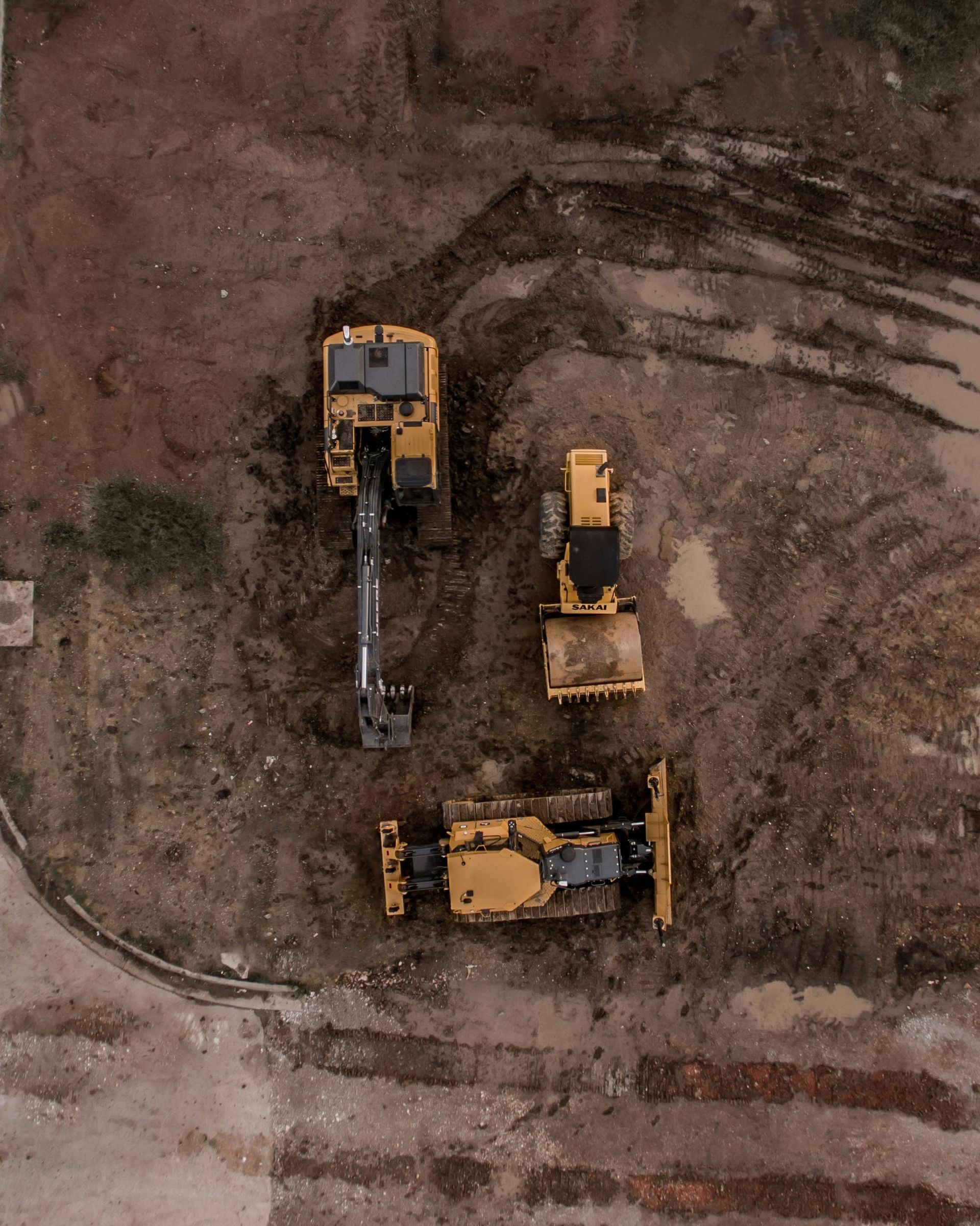
You start with a site survey that maps existing elevations, drainage patterns, utilities, and property lines across your Tyler lot. Clearing equipment removes trees, stumps, brush, and root systems down to mineral soil, then excavators dig out unsuitable material and replace it with engineered fill that meets compaction standards for your building type. Grading reshapes the surface to direct runoff toward drainage structures or retention areas, and erosion control fabric or seeding keeps exposed soil from washing into roads or neighboring properties during storms.
After grading, your site has a level or sloped pad that matches the elevation on your plans, swales or berms that channel water away from the building envelope, and compacted subgrade that will not settle under the weight of concrete or framing. You see defined property corners, clear access routes for concrete trucks and material deliveries, and no standing water after rain.
Structural fill is tested for density and moisture content before the next contractor arrives, and any areas that fail compaction are reworked until they pass. If your project includes septic systems, detention ponds, or underground utilities, those elements are roughed in during excavation and grading so you are not cutting through finished work later. Site preparation does not include building permits, utility hookups, or paving, but it does create the stable platform those systems depend on.
What Happens Between Survey and First Pour
Questions that come up before clearing begins
Property owners in Tyler often ask about timing, equipment access, and how site conditions affect the scope of work before they schedule clearing and grading.
- What does clearing and grubbing actually remove? Clearing removes all above-ground vegetation including trees, brush, and grass, while grubbing digs out stumps, root balls, and organic material below the surface so the soil can be compacted. You are left with bare mineral soil ready for grading.
- How long does site preparation take for a typical residential lot? A single-family lot in Tyler usually takes three to seven days depending on the amount of clearing, depth of excavation, and weather conditions. Larger commercial sites or properties with poor drainage or unstable soil take longer.
- Why is structural fill necessary if the ground looks level? Native soil may contain organic matter, clay pockets, or voids that compress unevenly under load, causing foundations to crack or settle. Structural fill is clean, graded material that is compacted in lifts and tested to meet engineering standards.
- What happens if it rains during grading? Work pauses until the ground firms up enough for equipment to operate without rutting or compacting wet soil, which creates weak spots. Erosion control measures keep runoff from leaving the site during delays.
- When should I schedule site prep relative to other construction phases? You schedule it after permits are issued and before foundation contractors arrive, so the pad is ready and compaction tests are completed. Delaying it pushes back your entire build schedule.
TNT LandWorx works with builders, engineers, and property owners across Tyler to prepare sites that meet local code requirements and support long-term structural performance. Contact us to review your plans and site conditions.